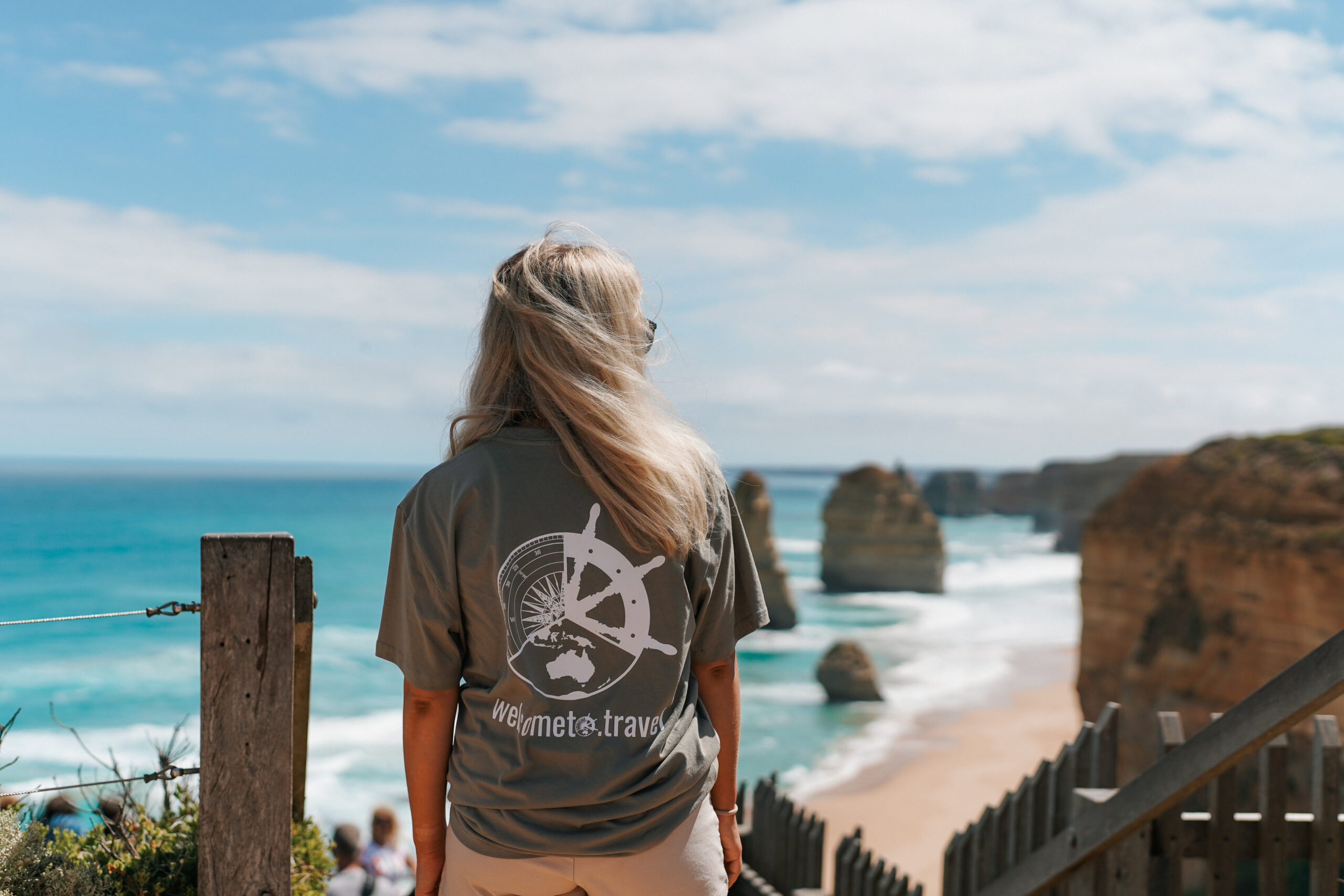
This is one of the most common questions, and for good reason. You may think Australia is sunshine ☀️ all year round – and it mostly is. BUT Australia is massive, so the weather in one part of the country can be very different to another.
First things first, what seasons does Australia have?
In the south (think Melbourne, Sydney, and up to Byron Bay) you’ll find more familiar seasons. Expect hot, sunny summers perfect for beach days, and cooler, mild winters (with no snow in sight!).
But in the north, in the city of Cairns and as far south as the town of Airlie Beach you have a tropical climate 🌴 with a wet and dry season. This means humid warm weather all year round, and the chance of some strong tropical showers from November to April. But don’t worry if you have rain forecast, it normally moves on quickly and those blue skies return.
Hang on! When’s summer again?
Australia’s seasons are the opposite to the northern hemisphere so summer is from December to February and winter is June to August. But there’s no wrong time to travel, as we share below ⬇️

Travelling in summer (November - February)
It’s popular for a reason and it’s hot ☀️ aka why you came to Australia in the first place. Temperatures can regularly be over 30 degrees celsius (85+ Fahrenheit for our American friends) which makes beach days, sea swims and hostel pools the dream.
The cities of Melbourne and Sydney are ideal at this time, long summer evenings, morning sea swims and plenty of rooftop bars to enjoy. Then as you head further north, it gets hotter and more humid as you go – you’ll be chasing waterfalls in rainforests or jumping off a sailboat ⛵ in the Whitsundays to cool down. Oh and the ice coffees are excellent too.
Top tip: Summer is the most popular time to travel so booking in advance is a must! You can secure your spot on our 30 Day East Coast tour with a $400 deposit – easy as 🤙 Want to go solo? We hear you! We plan and book thousands of epic solo adventures, fill in our Build Your Own East Coast form to start planning your adventure.

Travelling in winter (June - August)
This is the quieter time to travel, with less crowds but still blue skies and sunny weather – we told you there’s no bad time to travel! It’ll be warmer in the tropics of the north, so you may decide to start in Cairns and travel south down the East Coast arriving in Sydney and Melbourne as spring and summer begin.
The biggest bonus of travelling in winter is the dry season. You can expect cloudless skies practically every day, making your camera reel the envy of your friends back home. And while it’s not as busy as summer, it’s worth keeping in mind it is the low season. Which means some tours don’t run as regularly. No fear, we’ll make sure you get to do everything on your bucket list without having to wait a week for the next Whitsundays boat.
Top tip: Bringing along a pair of jeans and hoodie is a good idea for the cooler evenings across winter (and during the days in the southern cities) but the Australian sunshine is strong 🔥 so it won’t feel too cold.
Travelling in spring and autumn (March - May or September - October)
Known as the shoulder seasons, you can’t go wrong here. You get the best of both worlds, warmer than winter but not quite as busy as summer time.
Temperatures in the south will be in the low twenties celsius but in the tropics of the north you’ll be comfortable in high twenties – dreamy. This is perhaps your best time to travel if you burn easy (Ireland, we’re looking at you 👀).

So when should I travel?
There’s no wrong time to travel the East Coast, it depends what your preferences are. Summer brings the hotter weather and a super social scene, winter offers lower crowds, cooler weather and quieter beaches. And spring and autumn offer a bit of both!
Instead of focusing on when everyone else chooses to travel, decide when works for you. Once you hit your saving goal, get those flights booked and start your adventure. You won’t regret it.